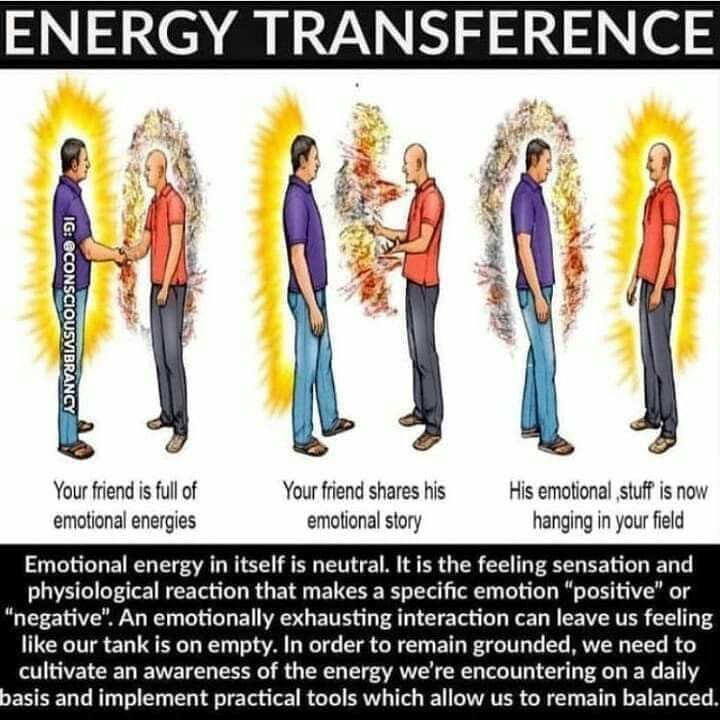
When faced with judgments or negativity, it’s natural to feel a contraction—a tightening of energy or emotion within us. This reaction is a human response, but it’s something we can work with consciously to foster growth.
- The Trigger of Judgment:
- Judgments or insults often prompt an automatic reaction, like a defensive pull-back or emotional sting.
- For example, imagine a situation where someone’s harsh words feel like a push, causing you to tense up or feel hurt.
- A Natural Response:
- This contraction is a protective instinct, not a flaw, but it can trap us in cycles of defensiveness or self-doubt.
- With awareness, we can observe this reaction without letting it define our response or sense of self.
Releasing the Tendency to Personalize
Judgments and heavy emotions can lead us to internalize negativity, fostering self-condemnation or resistance. Instead, we can learn to see these moments as opportunities to practice equanimity.
- Letting Go of Personalization:
- When we take criticism personally, it can feel like an attack on our worth, amplifying our emotional reaction.
- Recognizing that negativity often reflects the other person’s state, not our true self, helps us detach from it.
- Practicing Equanimity:
- By observing the emotional contraction without attaching a story to it, we can remain centered.
- This approach allows us to respond thoughtfully rather than react impulsively.
Seeing Negative Influences as Catalysts
Negative influences, such as judgments or insults, are not obstacles but catalysts for spiritual growth, offering chances to deepen our compassion and understanding.
- Opportunities for Growth:
- Harsh words or actions from others can serve as teachers, prompting us to practice patience and love.
- These moments challenge us to look beyond surface negativity and see the learning inherent in the experience.
- Reframing Negativity:
- By viewing negative interactions as part of our spiritual journey, we avoid being overwhelmed by them.
- This perspective transforms challenges into opportunities to grow in wisdom and empathy.
Maintaining Boundaries While Being Compassionate
When others express anger or make unskillful demands, it’s tempting to absorb their negativity or feel responsible for their emotions. Instead, we can maintain healthy boundaries while responding with compassion.
- Owning What’s Theirs:
- Recognize that another person’s negativity belongs to their journey, not yours, and you’re not obligated to take it on.
- This clarity helps you avoid internalizing their emotions or actions.
- Compassionate Response:
- Respond with understanding, knowing that others are navigating their own growth and challenges.
- Compassion allows you to hold space for their experience without compromising your own peace.
Trusting in the Divine Love Within
At the core of our being lies a divine presence, a source of infinite love and contentment that remains untouched by external judgments or negativity.
- The Creator’s Contentment:
- The divine resides within each of us, offering perfect love and acceptance, regardless of perceived flaws or external criticism.
- This inner presence anchors us, providing a foundation for inner peace amidst life’s challenges.
- Centering in Love:
- By connecting with this divine love, we can remain grounded, unaffected by the negativity of others.
- This trust helps us navigate interactions with a sense of calm and unity.
Moving from Reaction to Love
Rather than staying caught in reactive patterns, we can choose to respond to negativity with love and understanding, transforming challenging moments into opportunities for connection.
- Choosing Love Over Reaction:
- When faced with judgment, we can pause and consciously choose to respond with kindness and empathy.
- This shift turns a potentially divisive moment into one that fosters unity and understanding.
- Transcending the Illusion of Separation:
- Negative influences often stem from the illusion that we are separate from one another.
- By seeing these moments as part of our shared journey, we align with the truth of our interconnectedness.
Understanding Others’ Unconscious Struggles
Just as we grapple with unconscious reactions and the messiness of our minds, so too do others. Recognizing this shared human experience fosters empathy and reduces judgment.
- Shared Unawareness:
- Others may act out of anger or judgment because they, too, are unaware of the internal struggles driving their behavior.
- Like us, they are navigating a complex inner world, often reacting unconsciously to their own fears or pain, and unconscious of the consequences of what they say.
- Empathy for Their Journey:
- Understanding that others are caught in their own cycles of reaction helps us respond with compassion rather than defensiveness.
- This perspective reminds us that their negativity is often a reflection of their inner turmoil, not a judgment of our worth.
- Breaking the Cycle of Judgment:
- By seeing others as fellow travelers on the path of growth, we can choose not to mirror their negativity with our own.
- This awareness fosters connection, reminding us that we are all learning together.
What Can We Do?
To move beyond reactive patterns and embrace life’s challenges with compassion, we can adopt practices that cultivate awareness, equanimity, and love. Here are practical steps to help you navigate judgments and negativity with grace:
- Observe Reactions Mindfully:
- When you feel a contraction from judgment or negativity, pause and notice it without judgment. For example, say to yourself, “I feel this tension, and that’s okay.”
- This mindfulness creates space to choose your response rather than react automatically.
- Practice Non-Personalization:
- When faced with criticism, remind yourself, “This is their perspective, not my truth.” This helps you detach from taking it personally.
- Reflect on whether the negativity reflects the other person’s struggles rather than your worth.
- Cultivate Compassion for Others:
- When someone acts unkindly, consider their possible inner struggles. Ask, “What might they be going through?” to foster empathy.
- Respond with kindness, even if it’s just a silent wish for their peace and growth.
- Set Healthy Boundaries:
- Politely but firmly maintain your emotional space by not absorbing others’ negativity. For example, you might say, “I hear you, but I need to focus on my own peace.”
- This protects your well-being while allowing you to remain compassionate.
- Connect with Divine Love:
- In moments of challenge, pause to connect with the love within you through a deep breath, prayer, or meditation.
- Affirm, “I am held in divine love,” to anchor yourself in your inner peace.
- Practice Softening Resistance:
- When you feel defensive, imagine softening the tension, like relaxing your body in a Tai Chi “pushing hands” exercise.
- This practice helps you stay open and grounded, transforming reactivity into calm awareness.
Judgments and negative interactions are part of life’s complex dance, but they don’t define you. By recognizing that others, like you, are navigating their own unconscious struggles, you can approach these moments with compassion and clarity. Your True Self, rooted in divine love, remains untouched by external negativity. As you embrace life’s challenges as opportunities for growth, you align with the infinite wisdom and love within you. What small step might you take today to meet a judgment with love and see beyond the illusion of separation?
#Judgment #Reaction #Personalized #Boundaries #Criticism #Awareness #Compassion #Empathy #Equanimity
Leave a Reply